Home & Health · February 2024
Indoor Air Quality and Why Your Cleaning Products Matter
Here's something nobody really tells you when you're trying to keep a clean house. The products you're using to clean it might be making the air inside it worse.
Not dramatically, not in a way you'd immediately notice. But conventional cleaning products release volatile organic compounds, VOCs, that hang around long after the clean is done. So you've got a sparkling bathroom and air that's quietly more problematic than before you started. Fun.
Where indoor air pollution actually comes from
Most people assume indoor air is cleaner than outdoor air. It's often not. The sources are more varied than you'd expect:
- Household cleaning products releasing VOCs into the air.
- Paints, varnishes and certain flooring or insulation materials.
- Furniture and treated fabrics off-gassing formaldehyde.
- Personal care products like hairspray, perfume and deodorants.
- Cooking and heating appliances burning fuel without proper ventilation.
- Mould growth and pet dander.
- Outdoor air pollution sneaking in through ventilation systems.
That's a lot going on in a space where your family spends most of their time.
What switching to green cleaning actually does
When you remove harsh chemicals from the cleaning process, you take out one of the most significant and controllable sources of indoor air pollution. For anyone with asthma, allergies or any kind of respiratory sensitivity, that's not a small thing. The difference between a chemically cleaned room and a non-toxic clean isn't abstract. You can feel it in how the space settles after a clean. How the air sits. Whether you want to immediately open every window.
Practical things you can actually do
Choose cleaning products with non-toxic, plant-derived ingredients. Read the label. If you can't pronounce half of it, Google the other half.
Use a HEPA vacuum. The filter traps dust, pollen and dander rather than just blowing it around the room in a more enthusiastic way.
Change HVAC filters regularly. Nobody does this enough.
Avoid synthetic air fresheners. They add chemical load rather than reduce it. Your home doesn't need to smell like a hotel lobby. It needs to smell like nothing, which is what clean actually smells like.
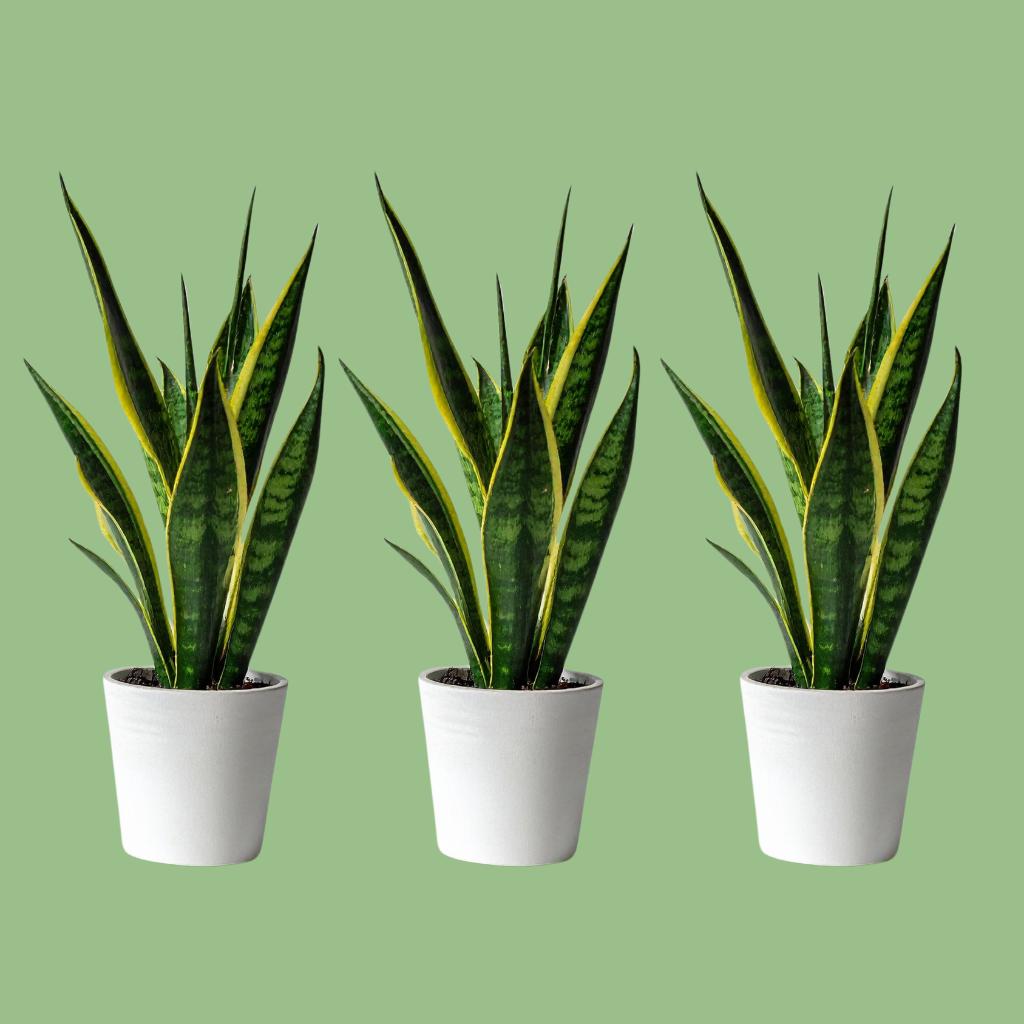
Introduce indoor plants. They filter certain toxins naturally and they're nice to look at.
Schedule periodic deep cleans of carpets and upholstery. Allergens accumulate there quietly and with great commitment.
At Lemon Spring, every product we use is selected specifically because it's safe for the people inside the space we're cleaning. Including the team doing the cleaning. Non-toxic isn't a compromise on results. It's just a higher standard.